Rachel / Cleaning
Cleaning Strategy
How smoke, odor, pet damage, bulk debris, unsafe work zones, and surface cleanup prepare the house for pricing, renovation, rent, or sale.
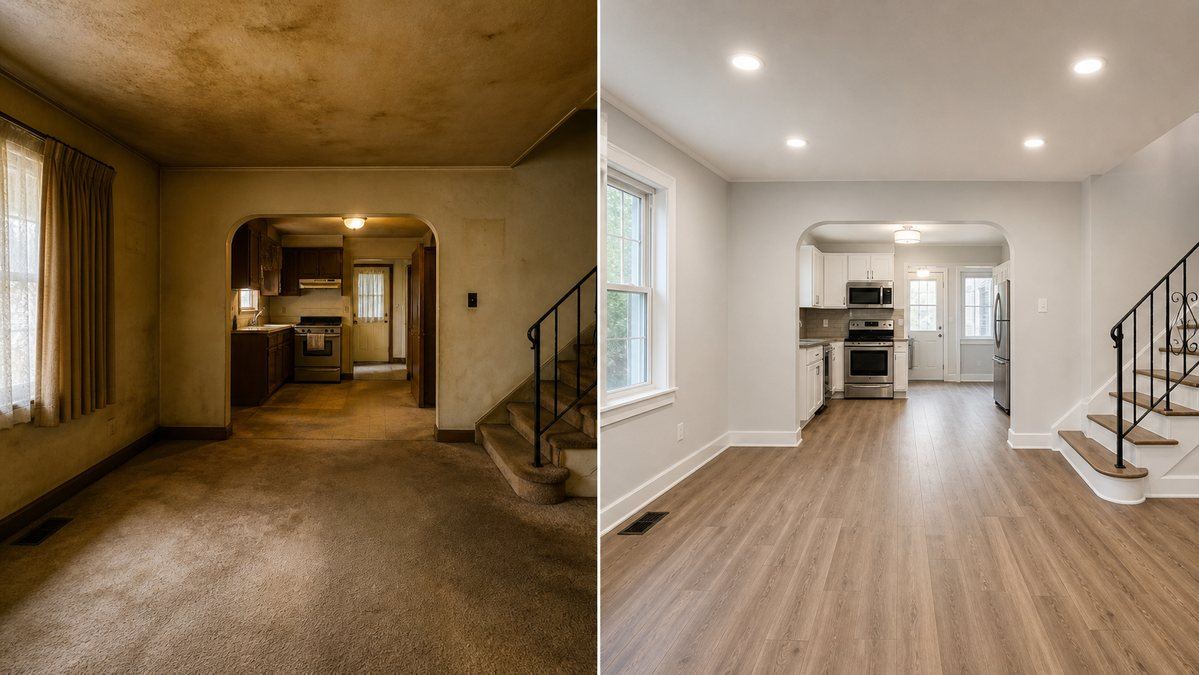
Clear contents first, document odor and damage, deep clean/test surfaces, then decide what can be cleaned, sealed, refinished, replaced, or handed to licensed trades.
Transcript
The cleaning plan turns a house that feels impossible into stages. First, clear enough space to work. Second, document smoke, odor, pet damage, bulk debris, and unsafe areas. Third, clean and test what can be saved. Then the estate can decide what needs sealing, refinishing, replacement, professional remediation, or contractor review.
Clearing and cleaning can protect value by making appraisal, photos, contractor pricing, listing, rental planning, or restomod decisions possible sooner.
Cleaning scope, photo checklist, provider questions, and before/after record plan.
Credit action for photo review and cleaning-plan draftWhat Legacy does
- Uses photos to separate bulk removal, smoke/odor reset, pet damage, surface cleaning, and finish-work questions.
- Coordinates local cleaning, disposal, and specialty provider review where available.
- Creates before/after records so the estate can see progress and professionals can review what was done.
What you control
- Approve disposal, donation, storage, and cleaning scope.
- Decide whether odor, floors, walls, cabinets, basement, or yard should be handled for sale, rent, or keep.
- Approve when to stop cleaning and move to pricing, contractor review, or sale.
How this module gets better
Open safe work zones so cleaning and house evaluation can happen without moving furniture room to room.
Document nicotine film, odor sources, cabinets, walls, textiles, HVAC concerns, and surfaces that may need sealing.
Pet-damaged floors, hardwood salvage, subfloor questions, basement drywall, moisture, and delayed maintenance get separated.
The house becomes clean enough for photos, appraisal/comps, contractor review, listing, rent, or restomod decisions.
Sources, confidence, and missing review
Room photos: Before photos, progress photos, and after photos. Draft
Smoke/pet damage: Odor, surface, floor, HVAC, and disposal observations. Needs provider review
Provider scope: Cleaning, disposal, remediation, floor, paint, or licensed-trade questions. Professional
Cleaning and remediation ranges are planning tools. Hazardous materials, mold, electrical, plumbing, HVAC, structural, pest, insurance, and licensed-trade issues require qualified review.
Ask Rachel
Clear contents first, document odor and damage, deep clean/test surfaces, then decide what can be cleaned, sealed, refinished, replaced, or handed to licensed trades.
I would separate memory decisions from house progress. Keep uncertain items in executor-controlled storage, sell only when the net makes sense, and route everything with photos, QR tags, status, and records.