Do not confuse speed with fairness
A low as-is offer may solve stress quickly, but it may also transfer the estate's upside to someone else.
Situation guide
Before accepting a low cash offer, compare the offer with cleanout, market-ready, rent-ready, restomod, and hold scenarios.
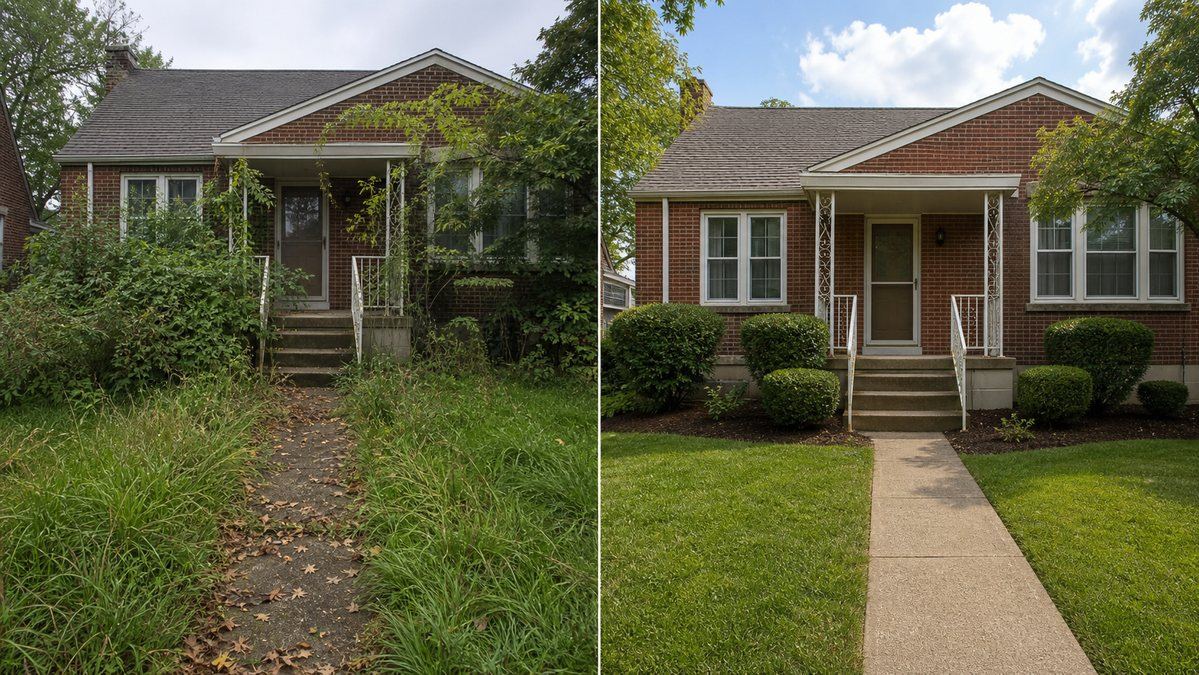
The goal is not to shame anyone for selling quickly. Sometimes fast sale is the cleanest answer. But families deserve to understand what they may be giving up before pressure, grief, and confusion make the decision for them.
Protect first
A low as-is offer may solve stress quickly, but it may also transfer the estate's upside to someone else.
Use appraisal, realtor input, public data, condition photos, and Estate Math to estimate current and potential value.
Cash, mortgage, taxes, insurance, utilities, authority, distance, time, belongings, repairs, and grief all affect the right answer.
Where Legacy fits
Use the Estate Math Decision Engine to compare sell-fast, clear-and-list, rent-ready, market-ready, restomod, or hold paths.
Identify appraisal, title/deed, insurance, mortgage, tax, and provider questions early.
Show how vehicles, saleable belongings, estate cash, or professional-reviewed financing may offset approved costs.
Help the family decide whether the upside justifies the time, risk, and cash.
Decision support is cheaper than losing tens of thousands of dollars to a rushed sale, but the right answer may still be to sell fast when cash, time, or condition make recovery unrealistic.
| Cost category | How it is scoped | What it covers |
|---|---|---|
| Estate workspace | After the first strategy clarifies condition, access, volume, urgency, authority, and approved scope. | Enter the offer, estimated value, cash, debt, costs, belongings, and goals. |
| Human Estate Math review | After the first strategy clarifies condition, access, volume, urgency, authority, and approved scope. | Review scenarios, missing records, risks, value assumptions, and possible next steps. |
| Estate Math Home Visit | After the first strategy clarifies condition, access, volume, urgency, authority, and approved scope. | Local walkthrough for condition, belongings, provider needs, and value-recovery constraints. |
| Detailed scope | After the first strategy clarifies condition, access, volume, urgency, authority, and approved scope. | Written phase plan for appraisal/valuation, cleanout, records, providers, and professional review. |
The first strategy is free. Approved scopes are discussed after the situation is clear and depend on condition, access, volume, urgency, provider availability, authority, and what the estate actually approves.
Enter the offer and basic estate facts, gather photos, and identify what is unknown.
Get value context, carrying-cost timeline, cash runway, belongings bottleneck, and professional questions.
Compare speed, risk, cash required, likely net, and emotional goals before accepting, rejecting, or negotiating.
As-is offer, estimated current value, improved value, likely costs, time, and possible net.
Mortgage, taxes, utilities, insurance, lawn, storage, cleanout, repair, and professional costs.
Why the executor chose fast sale, cleanout, market-ready prep, rent-ready reset, restomod, or hold.
First safe step
The first strategy helps decide what you can do yourself, what should wait, and where local help or professional review may actually be worth it.